
Tyres
Can you fit 33-inch tyres on a 2021-on Isuzu D-Max?
A practical D-Max 33-inch tyre guide covering factory wheel widths, 285/70R17 sizing, loaded clearance and the questions to ask before changing suspension.
Technical review by Nordak on 23 September 2026.
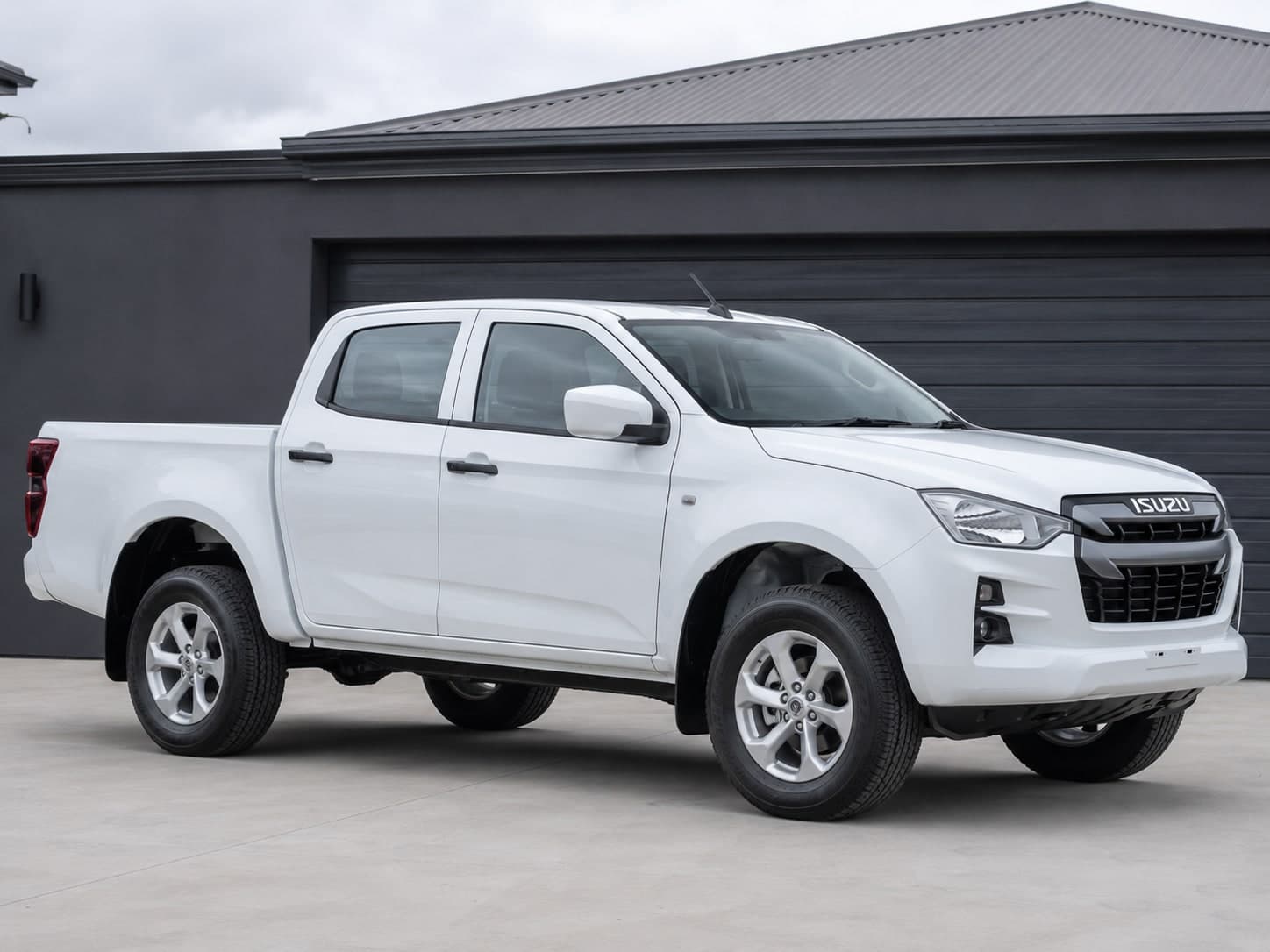
A 33-inch-class tyre is a modified-fitment enquiry on a D-Max, not a guaranteed replacement for the factory tyres. Start by checking the wheel width. A tyre can be the right diameter for your planned look and still be wrong for the rim you intend to retain.
This guide covers ordinary Australian third-generation 4x4 D-Max models from MY2021 onwards. It excludes the earlier generation and BLADE conversions. The factory examples below come from MY25.5, so check your own model-year specification.
The factory wheel can be the first constraint
Isuzu's MY25.5 specification lists 17 x 7 wheels with 255/65R17 tyres on SX and X-Rider, and 18 x 7.5 wheels with 265/60R18 tyres on LS-U, LS-U+ and X-Terrain.
For one concrete comparison, Maxxis specifies a minimum 7.5-inch rim for its LT285/70R17 AT811. That particular tyre is therefore not an approved match for the cited factory seven-inch rim.
A lift cannot fix a rim-width mismatch. If you are moving from an 18-inch wheel to a 17, the new wheel also needs its own vehicle and brake-clearance approval.
What does 285/70R17 change?
| Size | Calculated diameter | Typical decision |
|---|---|---|
| 255/65R17 | 763.3 mm | Factory-size example |
| 265/60R18 | 775.2 mm | Factory-size example |
| 265/70R17 | 802.8 mm | Smaller alternative to investigate |
| 285/70R17 | 830.8 mm | 33-inch-class proposal |
A 285/70R17 is nominally 55.6 mm taller than 265/60R18 and 67.5 mm taller than 255/65R17. Those are calculated comparisons, not measured product dimensions or a ruling on compliance.
This is why a recommendation needs both your starting specification and the exact proposed tyre.
Do 33s fit with a two-inch lift?
Do not buy on that promise alone. Ask what tyre and wheel the installer has assessed, which D-Max model it was fitted to and how clearance was checked.
The useful assessment includes steering lock and suspension movement with the vehicle carrying its normal load. Have the installer identify any bodywork changes rather than discover them after fitting. Confirm the spare carrier, wheel load rating and alignment requirements in the same proposal.
We have not verified a universal 33-inch, no-rub combination for every third-generation D-Max. A smaller tyre is also subject to those checks.
How we would approach a touring D-Max
Decide on the permanent equipment first: canopy, drawers, recovery gear and where the spare will live. Take the finished load plan to the tyre and suspension supplier.
Request two quotes. One should retain a suitable existing size and improve the tread or construction. The other should itemise the larger tyre, compatible wheels and any associated work. That makes the actual cost of the 33-inch appearance visible.
For an unladen daily driver, we would give road behaviour and simplicity more weight than the size label. For a dedicated touring build, we would make the load plan the starting point.
What to ask your fitter
Ask for the full tyre designation, approved rim range, wheel width and offset, clearance assessment and any required calibration. Confirm the paperwork for the proposed modifications before accepting the quote.
Use the current registration guidance for your state or territory. An online tyre calculator does not approve the conversion.
Once the size is settled, compare our D-Max all-terrain shortlist. If you are choosing the stance and tread appearance, see the direction on your D-Max before committing to the hardware.